Introduction
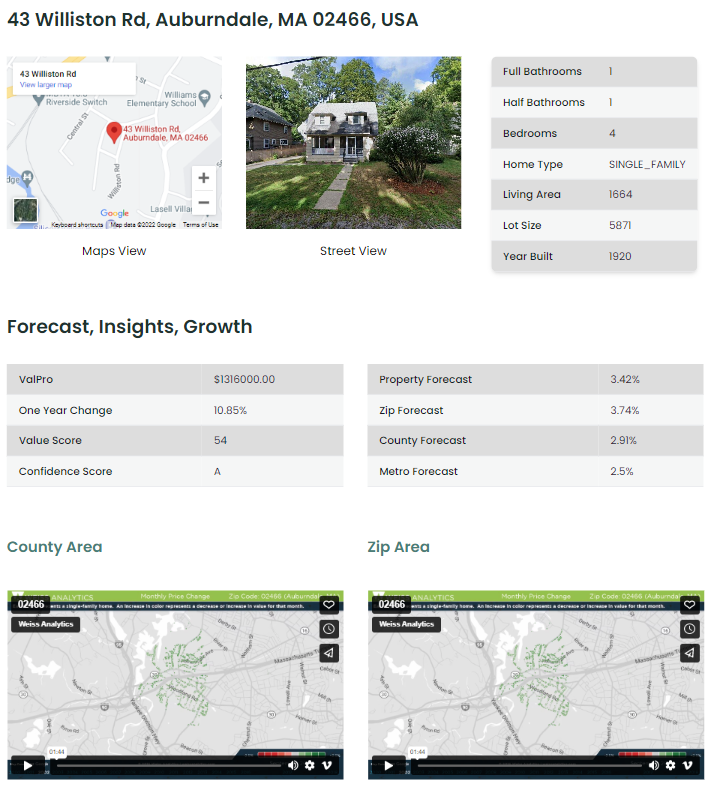
Property Inspector is an AI-powered property management and inspection platform designed for the real estate industry. By analyzing property images with advanced computer vision models, it automatically detects damaged areas, structural issues, and wear-and-tear, then assigns a quality score to guide property managers, insurers, and real estate agents.
This reduces the need for manual inspections, speeds up evaluation processes, and provides a consistent, unbiased assessment of property conditions.
Key Features
- Automated Damage Detection: AI models identify cracks, stains, mold, and other property damages directly from uploaded photos.
- Quality Scoring System: Generates standardized property quality scores that help compare, rank, and track properties over time.
- Image-Based Reports: Generates visual inspection reports highlighting detected issues with annotations.
- Integration with Real Estate Platforms: Seamlessly integrates with property listing portals, CRM systems, and insurance platforms.
- Analytics & History Tracking: Tracks property condition changes over time with historical inspection data and trends.
Technical Insights
- Frontend: Built with React, Next.js, and TypeScript, providing a fast, interactive web dashboard. TailwindCSS ensures a modern, responsive UI optimized for displaying images and inspection reports.
- Backend & APIs: Node.js orchestrates API requests, while Python services handle computer vision tasks. REST and GraphQL APIs expose property inspection results to other systems.
- AI/ML Models: Implemented with TensorFlow/PyTorch, trained on labeled property datasets to detect surface damages, structural issues, and material conditions.
- Database & Persistence: PostgreSQL stores property records, inspection histories, and quality scores.
- Cloud Infrastructure: Hosted on AWS, leveraging S3 for storing property images, EC2 for running ML inference, and Dockerized services for scalable deployment.
Challenges and Solutions
- Accuracy of AI Damage Detection: Variations in lighting and image quality affected detection. We solved this by training models on diverse datasets and applying preprocessing techniques like normalization and augmentation.
- Scalability for Large Portfolios: Property managers often upload thousands of images. AWS autoscaling with Docker containers ensured fast, concurrent processing.
- Trust & Transparency: Users needed confidence in AI-driven results. We added explainable AI visualizations, highlighting detected damages with bounding boxes and confidence scores.
- Integration with Legacy Systems: Many clients relied on outdated property platforms. We developed REST/GraphQL adapters for smooth integration with CRMs and listing systems.
- Consistent Quality Scoring: To avoid subjectivity, we built a rule-based scoring layer on top of AI detections, ensuring standardization across inspections.